Whatsapp: +8615995188408 Email: aaron@xmdieselpower.com
 Français
 Deutsch




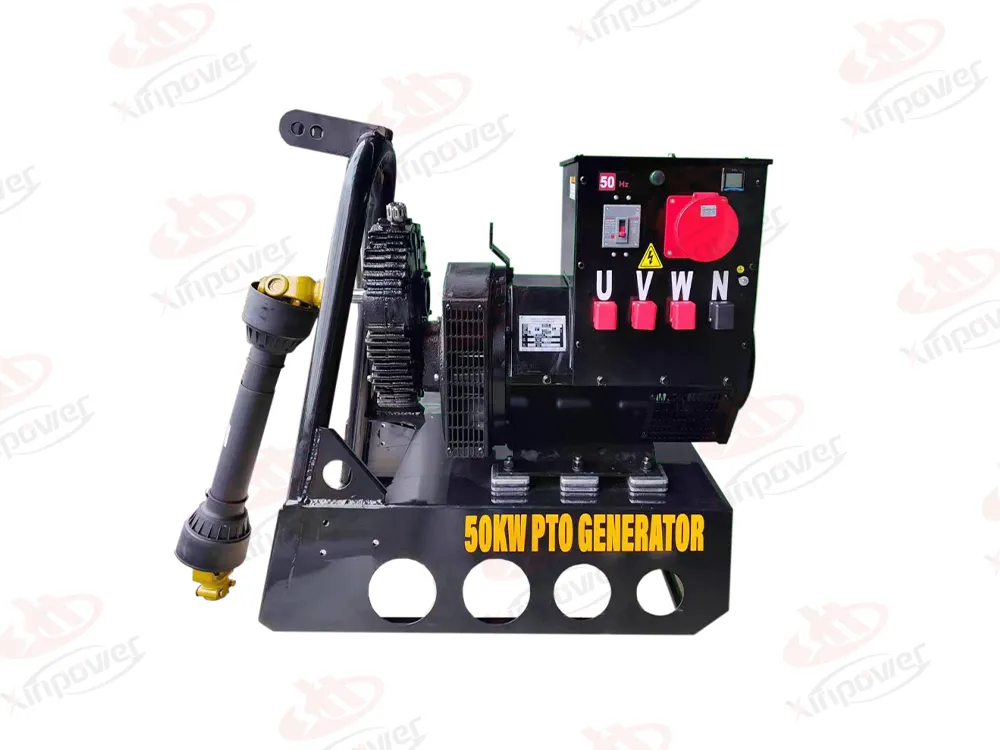
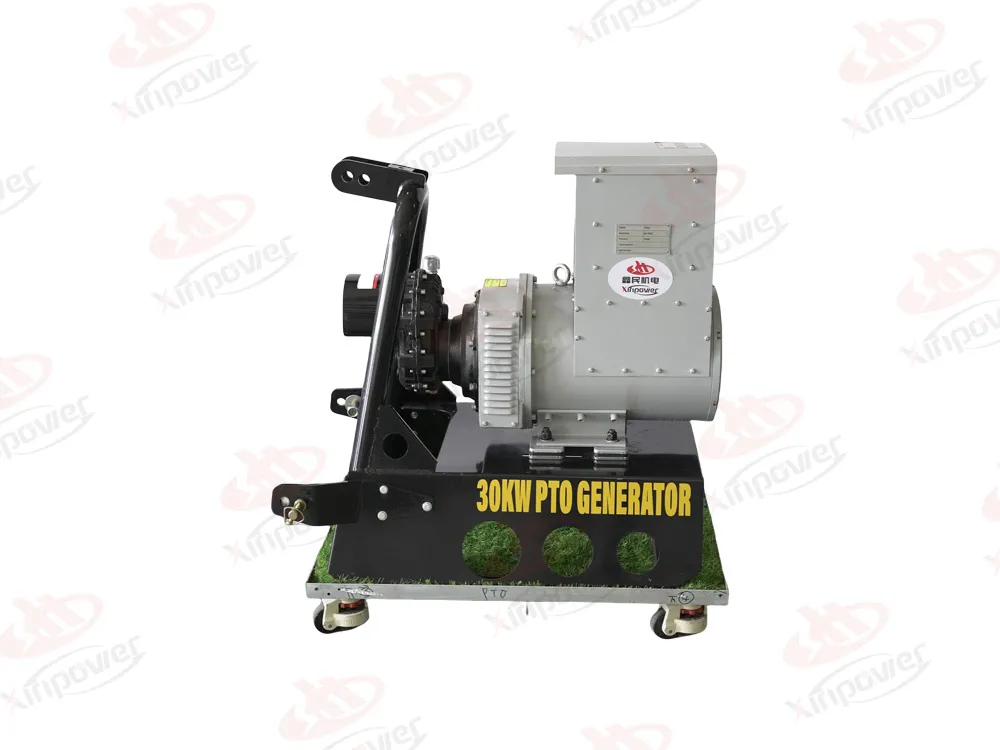
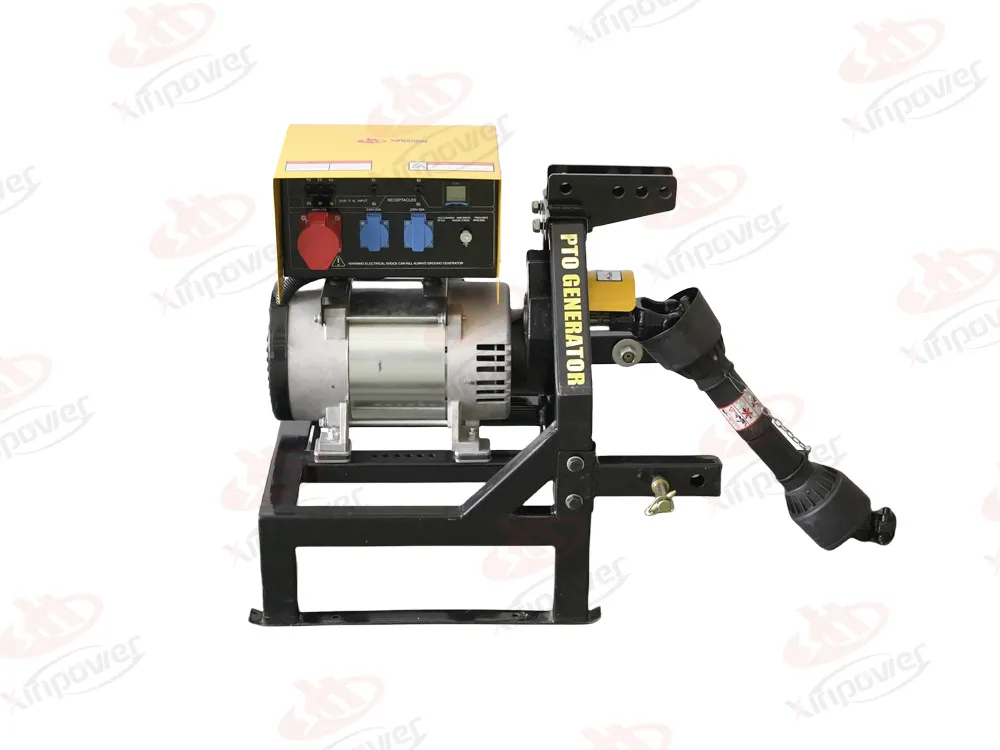
**PTO Power Take-Off (PTO) generator sets are essential tools for providing electricity in remote locations, during emergencies, or for powering heavy equipment. However, operating a PTO Generator Set and explains why each item is essential.
1. **Protective Clothing**
Wearing the right clothing is the first line of defense against potential hazards. Operators should avoid loose-fitting clothes that could get caught in moving parts. Instead, opt for:
- **Fire-Resistant Clothing:** PTO generator sets generate heat and sparks, especially during operation. Fire-resistant clothing reduces the risk of burns and injuries in case of accidental contact with hot surfaces or electrical arcs.
- **High-Visibility Vests:** If the generator is being used in low-light conditions or near traffic, a high-visibility vest ensures that the operator is easily seen, reducing the risk of accidents.
2. **Safety Gloves**
Hands are particularly vulnerable when working with machinery. Safety gloves provide protection against cuts, abrasions, and burns.
- **Cut-Resistant Gloves:** These gloves protect against sharp edges and moving parts, such as the PTO shaft or generator components.
- **Insulated Gloves:** When working with electrical connections, insulated gloves prevent electrical shocks and burns.
3. **Safety Footwear**
Proper footwear is essential for stability and protection.
- **Steel-Toe Boots:** These boots protect the feet from heavy objects that may fall or roll during operation. They also provide additional support and grip on uneven or slippery surfaces.
- **Non-Slip Soles:** Slippery conditions can lead to falls, especially when working outdoors. Non-slip soles ensure better traction on wet or oily surfaces.
4. **Eye Protection**
The eyes are highly susceptible to injury from flying debris, sparks, or chemical splashes.
- **Safety Glasses:** These protect against dust, debris, and small particles that may be generated during operation.
- **Face Shields:** For added protection, a face shield can be worn over safety glasses to guard against larger debris, sparks, or chemical splashes.
5. **Hearing Protection**
PTO generator sets can produce high levels of noise, which can lead to hearing damage over time.
- **Earplugs:** These are a simple and effective way to reduce noise exposure. They are comfortable to wear for extended periods.
- **Earmuffs:** For louder environments, earmuffs provide superior noise reduction and can be easily removed when not needed.
6. **Respiratory Protection**
In some cases, operating a PTO generator set may expose the operator to harmful fumes or dust.
- **Dust Masks:** These protect against inhaling dust particles, especially when working in dusty environments.
- **Respirators:** For more hazardous environments, such as those with chemical fumes or exhaust gases, a respirator with appropriate filters is necessary.
7. **Head Protection**
Head injuries can be severe, especially when working with heavy machinery.
- **Hard Hats:** These protect against falling objects, bumps, and impacts. They are essential when working in construction sites or areas with overhead hazards.
8. **First Aid Kit**
Accidents can happen despite all precautions. A well-stocked first aid kit should always be on hand to provide immediate care for minor injuries.
- **Contents:** The kit should include bandages, antiseptic wipes, burn cream, pain relievers, and other basic medical supplies.
9. **Fire Extinguisher**
PTO generator sets involve electrical components and fuel, both of which pose a fire risk.
- **Type:** A Class ABC fire extinguisher is suitable for most situations, as it can handle fires involving ordinary combustibles, flammable liquids, and electrical equipment.
10. **Safety Barriers and Warning Signs**
Creating a safe work environment involves more than just personal protective equipment (PPE).
- **Safety Barriers:** These prevent unauthorized access to the generator set and keep bystanders at a safe distance.
- **Warning Signs:** Clearly marked signs alert people to the presence of moving machinery, electrical hazards, and other dangers.
11. **Lockout/Tagout Equipment**
When performing maintenance or repairs, it is essential to ensure that the generator set is completely powered down and cannot be accidentally activated.
- **Lockout Devices:** These physically prevent the generator from being turned on.
- **Tagout Tags:** These provide a visual warning that the equipment is under maintenance and should not be operated.
12. **Voltage Detector**
Electrical safety is paramount when working with generators.
- **Voltage Detector:** This tool allows operators to check for live electrical circuits before touching any wires or connections, reducing the risk of electrical shock.
13. **Ground Fault Circuit Interrupter (GFCI)**
A GFCI is a critical safety device that protects against electrical shock.
- **GFCI Outlets:** These should be used with any electrical equipment connected to the generator, especially in wet or damp conditions.
14. **Emergency Stop Button**
In case of an emergency, it is crucial to be able to shut down the generator quickly.
- **Emergency Stop Button:** This should be easily accessible and clearly marked, allowing the operator to stop the generator immediately if necessary.
15. **Training and Documentation**
While not physical equipment, proper training and documentation are essential components of safety.
- **Operator Training:** Operators should be thoroughly trained in the safe use of PTO generator sets, including how to recognize and respond to potential hazards.
- **Safety Manuals:** Keep the manufacturer’s safety manual on hand for reference, and ensure that all operators are familiar with its contents.
Conclusion
Operating a PTO generator set safely requires more than just technical knowledge—it demands the right safety gear and a proactive approach to hazard prevention. By equipping yourself with the must-have safety equipment outlined above, you can significantly reduce the risk of injury and ensure a safer working environment for everyone involved. Remember, safety is not just about protecting yourself—it’s about creating a culture of awareness and responsibility that benefits everyone on the job site.
This website uses cookies to ensure you get the best experience on our website.





 Phone
Phone